

Buick tire sizes
13 Buick models, with the original tire size for each year range and what that size costs today, from $50 per tire.
We cover 13 Buick models across 18 factory fitments, spanning model years 1970 to 2024. The size that turns up most often on a Buick is 215/65R15, followed by 225/60R16 and 215/60R15. Wheel diameters run from 14 to 20 inches, so the trim and wheel package matter as much as the model year.
Buick does not stamp an approval code on tires the way Porsche and BMW do, so any tire in the right size that meets the load index and speed rating on the door placard is a legitimate replacement. Pick on wet braking, tread life and price instead.
Pick your model below to see the size for every year and trim, what it costs from budget to premium, and which tires are worth buying in that size. If you already know your size, search by size instead, and if you are not sure where to find it, our guide on reading a tire size shows exactly where the placard sits.
 Century
1997-2005 · 1 size
215/60R15 from $50
Century
1997-2005 · 1 size
215/60R15 from $50
 Enclave
2008-2024 · 2 sizes
255/55R20 from $128
Enclave
2008-2024 · 2 sizes
255/55R20 from $128
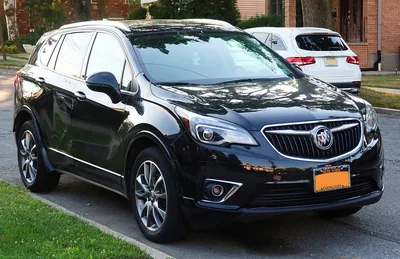 Envision
2016-2020 · 1 size
235/50R19 from $100
Envision
2016-2020 · 1 size
235/50R19 from $100
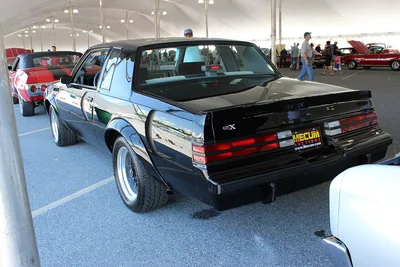 GNX
1987-1987 · 2 sizes
245/50R16 from $110
GNX
1987-1987 · 2 sizes
245/50R16 from $110
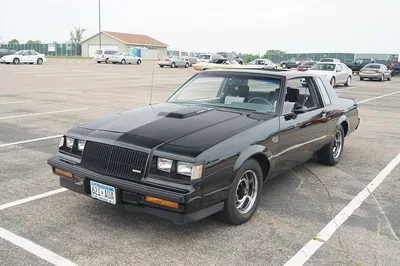 Grand National
1984-1987 · 1 size
215/65R15 from $80
Grand National
1984-1987 · 1 size
215/65R15 from $80
 GS 455
1970-1972 · 1 size
215/70R14 from $95
GS 455
1970-1972 · 1 size
215/70R14 from $95
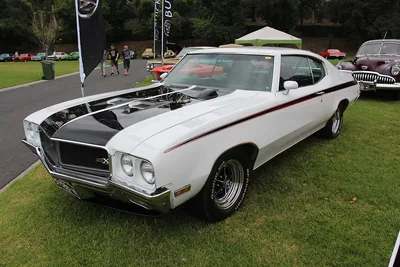 GSX
1970-1971 · 1 size
275/60R15 from $140
GSX
1970-1971 · 1 size
275/60R15 from $140
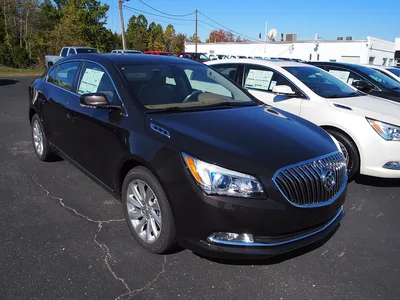 LaCrosse
2005-2013 · 2 sizes
215/60R17 from $70
LaCrosse
2005-2013 · 2 sizes
215/60R17 from $70
 Regal
1997-2017 · 2 sizes
225/50R17 from $70
Regal
1997-2017 · 2 sizes
225/50R17 from $70
 Regal T-Type
1983-1987 · 1 size
215/65R15 from $80
Regal T-Type
1983-1987 · 1 size
215/65R15 from $80
 Riviera
1971-1985 · 2 sizes
205/75R15 from $50
Riviera
1971-1985 · 2 sizes
205/75R15 from $50
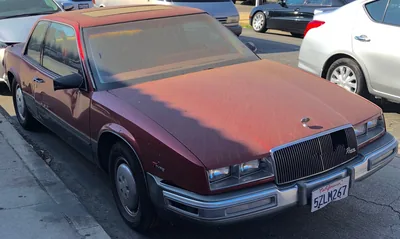 Riviera T-Type
1983-1985 · 1 size
215/65R15 from $80
Riviera T-Type
1983-1985 · 1 size
215/65R15 from $80
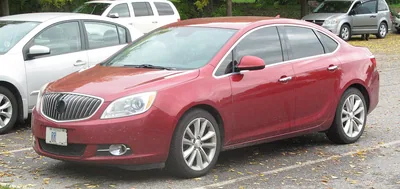 Verano
2012-2017 · 1 size
225/50R18 from $85
Verano
2012-2017 · 1 size
225/50R18 from $85
Buick is General Motors' near-premium brand, now an all-crossover lineup in the United States built around the Encore GX, Envista, Envision and Enclave, with roughly 200,000 sales a year. The sedans are gone: the Regal ended in 2020 and the LaCrosse in 2019. Buick's modern reputation is quiet, comfortable crossovers at Chevrolet-plus prices, but its back catalog includes the turbocharged Grand National and GNX, which is why the brand still matters to enthusiasts.
It is also one of GM's biggest brands in China, which shapes what gets built.
Tires on a Buick
Buick is a General Motors brand, and GM does stamp a code on its original tires: a TPC SPEC number, short for Tire Performance Criteria, molded into the sidewall. Wikipedia's tire code reference lists TPC as the General Motors original equipment marking, and it works differently from BMW's star in that the number identifies a specific GM construction rather than a brand seal. Replacement tires almost never carry it, which is normal and legal, but it does mean the exact tire the car was developed on is often impossible to buy over the counter.
Fitments are square across the current range, so four identical tires is the standard purchase, with one famous exception in the back catalog: the 1987 GNX left the factory staggered at 245/50R16 front and 255/50R16 rear, which is unusual for an American sedan of any era. Sizes have climbed from 225/60R16 on a 2005 LaCrosse to 235/50R19 on an Envision and 255/55R20 on an Enclave. Most Buicks come on a touring all-season chosen for quietness, and owners replacing them tend to stay with a grand touring all-season rather than move to anything sportier, because the suspension tuning does not reward it.
The models that matter
The Enclave is the volume model and takes 255/65R18 on older cars and 255/55R20 on Essence and Avenir trims. The Envision runs 235/50R19. Among discontinued models the Regal used 225/60R16 and 225/50R17, the LaCrosse 225/60R16 and 215/60R17, and the Grand National and Regal T-Type of the 1980s ran 215/65R15.
What owners find out later
The GNX's staggered 16 inch fitment means a restored car needs two different sizes, and reproduction wheels are often sold in the wrong width for the rear. GM's TPC number on an original tire is the only reliable record of exactly what the car was signed off on, so photograph the sidewall before the old tires leave the shop. Many Buick crossovers carry a temporary spare on a small steel wheel that will not clear the brakes of the larger wheel packages, which is why the manual specifies a rear axle position for it.
Buick's direct TPMS sensors need a relearn procedure after rotation on several models, done with a tool at the shop rather than by driving.
Did you know?
- The 1987 Buick GNX was staggered from the factory, 245/50R16 front and 255/50R16 rear, which was rare for an American sedan.
- General Motors molds a TPC SPEC number into its original tires, a code almost no replacement tire carries.
- Buick has sold no sedan in the United States since 2020, so every current fitment is a crossover size.