
Summer Tires
Maximum dry and wet grip in warm weather, at the cost of any cold or snow ability.
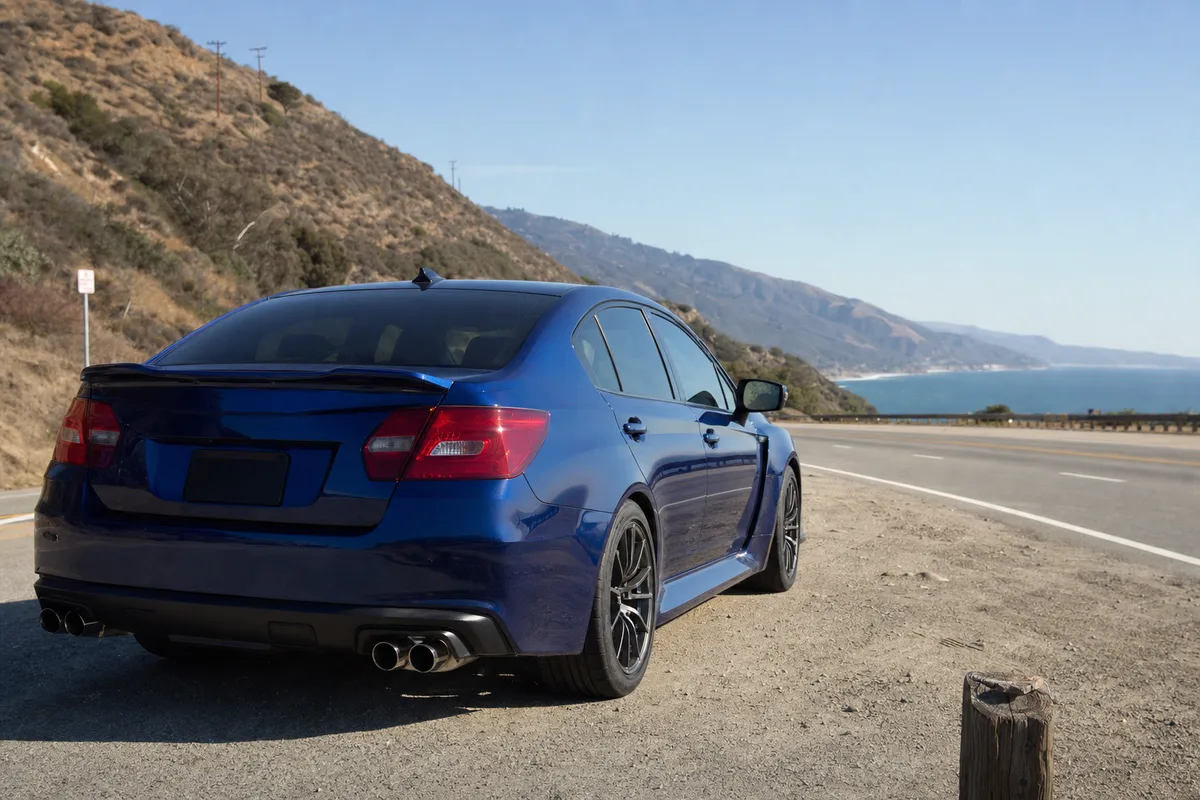
Summer tires, which the industry also calls three-season or max-performance tires, are what sports cars and many European sedans come on from the factory. The compound is designed for warm pavement, the tread has large solid blocks for dry grip and wide circumferential grooves for standing water, and there is little or no siping. The result is shorter braking distances, sharper steering and higher cornering limits than any all-season can offer.
They are for enthusiasts, owners of performance cars and anyone in the Sun Belt who values handling. In Phoenix, Los Angeles, Houston or Miami a summer tire can be a year-round tire. In the North it must come off in fall, because below about 40 degrees Fahrenheit the compound turns hard and glassy, and on snow a summer tire is genuinely dangerous. Some compounds can even crack if driven in deep cold.
The honest trade-offs are tread life and cost. Most summer tires carry no mileage warranty or a short one (Michelin offers 30,000 miles on the Pilot Sport 4S, which is generous for the class), and 20,000 to 35,000 miles is typical. They are also louder and ride firmer. When shopping, match or exceed the speed rating on your door placard (W, Y or ZR are common), check the UTQG treadwear number (200 to 340 is typical), and look for OE codes if you want to match your car's original tire. Prices run from about 80 dollars for a budget 16-inch tire to 350 dollars or more for premium 20-inch sizes.
Buy this if
Sports-car and performance-sedan owners, and anyone in a warm climate who wants the best possible grip and steering.
- Shortest dry and wet braking distances of any tire type
- Sharp, precise steering and high cornering grip
- Resists hydroplaning well thanks to wide grooves
Skip it if
You see temperatures below 40 degrees Fahrenheit regularly, or you drive on snow at all.
- Unsafe below about 40 degrees Fahrenheit and useless on snow
- Short tread life, typically 20,000 to 35,000 miles
- Firmer ride and more noise than touring tires
Best summer tires right now
Kumho Ecsta PS31
Real summer grip for a Civic or Miata at the lowest price from an OE supplier.
Firestone Firehawk Indy 500
Strong dry and wet grip for the money, a favorite for Mustangs and Camaros.
Continental ExtremeContact Sport 02
Class-leading wet braking with a 30,000-mile warranty.
Michelin Pilot Sport 4S
The benchmark max-performance summer tire, with a rare mileage warranty.
Common sizes for summer tires
Summer Tires: common questions
Can I drive on summer tires in winter?
No. Below about 40 degrees Fahrenheit the compound hardens and grip drops sharply even on dry pavement, and on snow or ice a summer tire has almost no traction. Some manufacturers also warn that the compound can crack if driven in deep cold. Swap to all-season, all-weather or winter tires before the cold arrives.
How long do summer tires last?
Typically 20,000 to 35,000 miles, depending on the tire and how hard you drive. Most carry no mileage warranty; Michelin's 30,000-mile coverage on the Pilot Sport 4S and Continental's 30,000 on the ExtremeContact Sport 02 are exceptions. Rotation and alignment matter a lot on wide, low-profile sizes.
Are summer tires better in rain?
Yes, a good summer tire stops shorter in the wet than an all-season because of its softer compound and wide grooves, as long as the temperature is warm. The exception is very cold rain, where the compound stiffens. Max-performance summer tires from Michelin, Continental and Bridgestone are among the best wet-weather tires sold.
What speed rating do I need?
At least the rating molded on your car's tire placard, usually on the driver door jamb. Performance cars typically call for V (149 mph), W (168 mph) or Y (186 mph). Going higher than required is fine; going lower can void your insurance in some states and reduces the tire's heat capacity.