
Are Cheap Tires Safe? Budget vs Premium Tires, Honestly
Cheap tires pass the same federal safety standard (FMVSS 139) as a $250 Michelin. What you give up is measurable: in independent tests, the cheapest tires typically need 20 to 40 more feet to stop from 60 mph on wet pavement than the best in the same size, are louder, and wear out 20,000 miles sooner. Whether that trade is worth $400 a set depends on your car, miles and climate.
For a low-mileage second car in a dry climate, a good budget tire is a rational choice. For a family SUV doing 15,000 miles a year in Seattle, the premium tire is cheaper per mile and safer in the rain. Here is how to tell the difference, what UTQG numbers tell you, and an honest look at Chinese brands.

The three tiers of the US tire market
Prices below are typical for a 225/65R17, the size on a RAV4 or CR-V, in 2026.
| Tier | Typical price per tire | Example brands | What you get |
|---|---|---|---|
| Premium | $170 to $260 | Michelin, Continental, Bridgestone, Goodyear, Pirelli | Best wet grip, quietest, 60,000 to 80,000 mile warranties, wide dealer support |
| Mid-range | $110 to $170 | General, Cooper, Hankook, Falken, Kumho, Yokohama, Toyo, Firestone, Nexen | Often 85 to 95 percent of premium performance; many are made by premium parent companies |
| Budget | $65 to $110 | Westlake, Milestar, Ironman, Lexani, Sumitomo, Atturo, house brands (Douglas, Arizonian, Road Hugger) | Adequate dry grip; wet, snow and noise are where they fall behind; shorter warranties or none |
The mid-range is where the value usually sits. General is owned by Continental, Cooper by Goodyear, Firestone by Bridgestone, Kelly by Goodyear and Falken by Sumitomo Rubber. Those tires share technology with their parents and often test within a car length of them in wet braking.
| Tier | Set of four |
|---|---|
| Budget | $220-$300 |
| Mid-range | $320-$472 |
| Premium | $488-$700 |
Prices for 205/55R16, the most common US passenger size, before mounting and balancing. Other sizes shift the scale but keep the same three steps.
What you actually give up with a budget tire
Concrete differences seen across years of comparative tests (Consumer Reports, Tire Rack, Auto Bild and others):
- Wet braking: the biggest safety gap. From 60 mph, the spread between the best and worst tire in a size class is often 30 to 50 ft. The worst are almost always the cheapest.
- Hydroplaning resistance: budget tires tend to have less groove volume and shallower siping and start to float at lower speeds in standing water.
- Noise: 2 to 4 dB louder is common, which the ear perceives as noticeably louder on concrete highways.
- Tread life: 30,000 to 45,000 miles versus 60,000 to 80,000 for a premium touring tire. This is why the cheap tire is often more expensive per mile.
- Snow and ice: budget all-seasons are frequently the worst in the test on snow.
- Consistency: more out-of-round tires, more balancing weight needed, more sidewall wobble.
- Warranty: shorter mileage warranties, and road-hazard coverage is rare. See tire warranties explained.
Dry grip on a straight road at normal speed is roughly equal across tiers, which is why cheap tires feel fine on the test drive.
Cost per mile: the math that changes the answer
Take that 225/65R17. A $90 budget tire with a realistic 40,000 mile life costs 0.9 cents per mile for the set of four. A $190 premium tire lasting 70,000 miles costs 1.09 cents per mile. Close, and the premium tire has 20,000 more miles of better wet braking. Add a $70 per tire rebate in April or October, which is common on the premium brands, and the premium tire wins outright.
Now flip the scenario. You drive 5,000 miles a year. The budget tire will age out (six to ten years) before it wears out, and so will the premium tire. You are paying for tread life you will never use. Here the budget or mid-range tire is the rational choice, especially in a dry climate where the wet-braking gap rarely matters.
Rule of thumb: over 10,000 miles a year, buy mid-range or premium; under 7,000 miles a year, mid-range or budget; and check current rebates before deciding, because a rebate can make the premium tire cost what the mid-range one does.
When a cheap tire is genuinely fine
- Low-mileage second car or a car you plan to sell within a year.
- Dry climate: Phoenix, Las Vegas, inland California. Wet braking is the budget tire's weak point, and it barely rains.
- Slow, local driving: a farm truck, a commuter that never sees the freeway, a teenager's first car limited to town streets (though for a teen the wet-braking argument cuts the other way).
- Trailers: an ST trailer tire from a mid-range brand is fine; premium trailer tires are mostly about heat and load capacity, not grip.
- A vehicle you are about to trade in that needs tires to pass inspection.
When a cheap tire is a false economy: a heavy SUV or minivan carrying kids, anything driven in the rain regularly, high-mileage commuters, anyone who tows, and performance cars, where a budget tire can also fail to match the speed rating the car needs.
Swipe to compare tread types
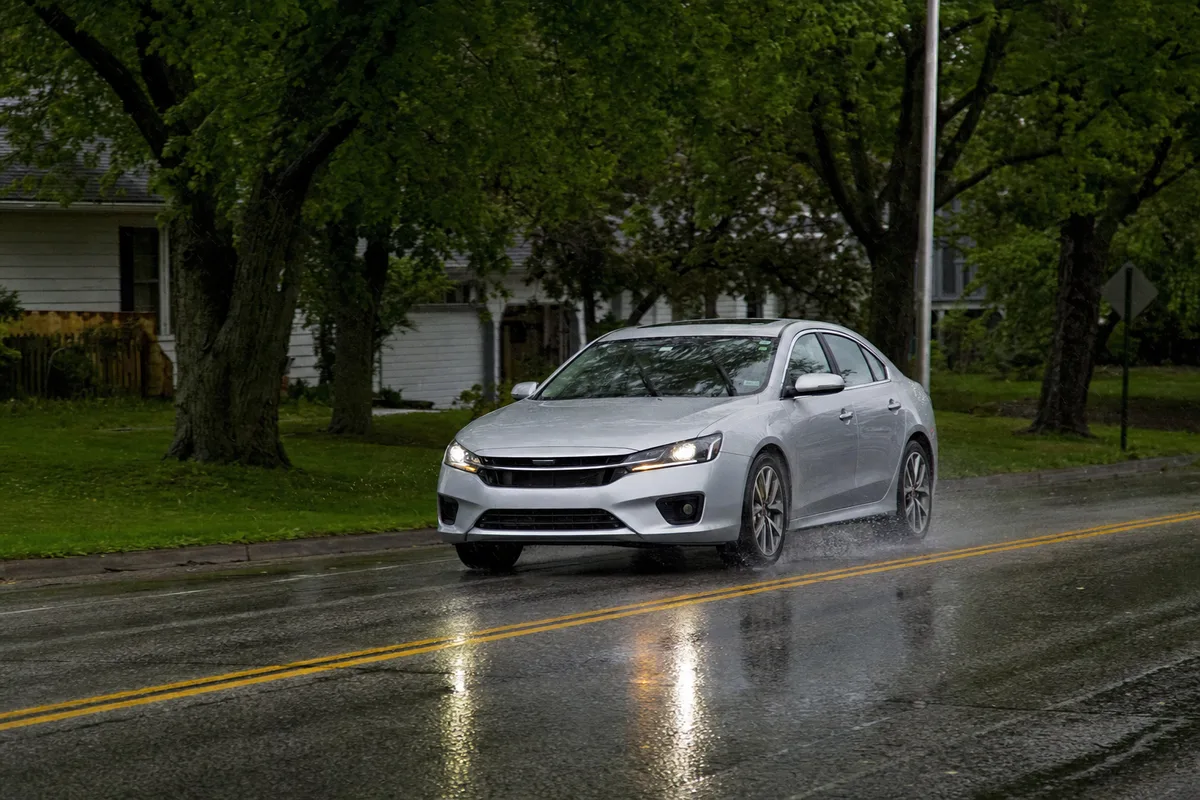
All-Season Tires
The default tire for most US cars: usable year-round in mild climates.
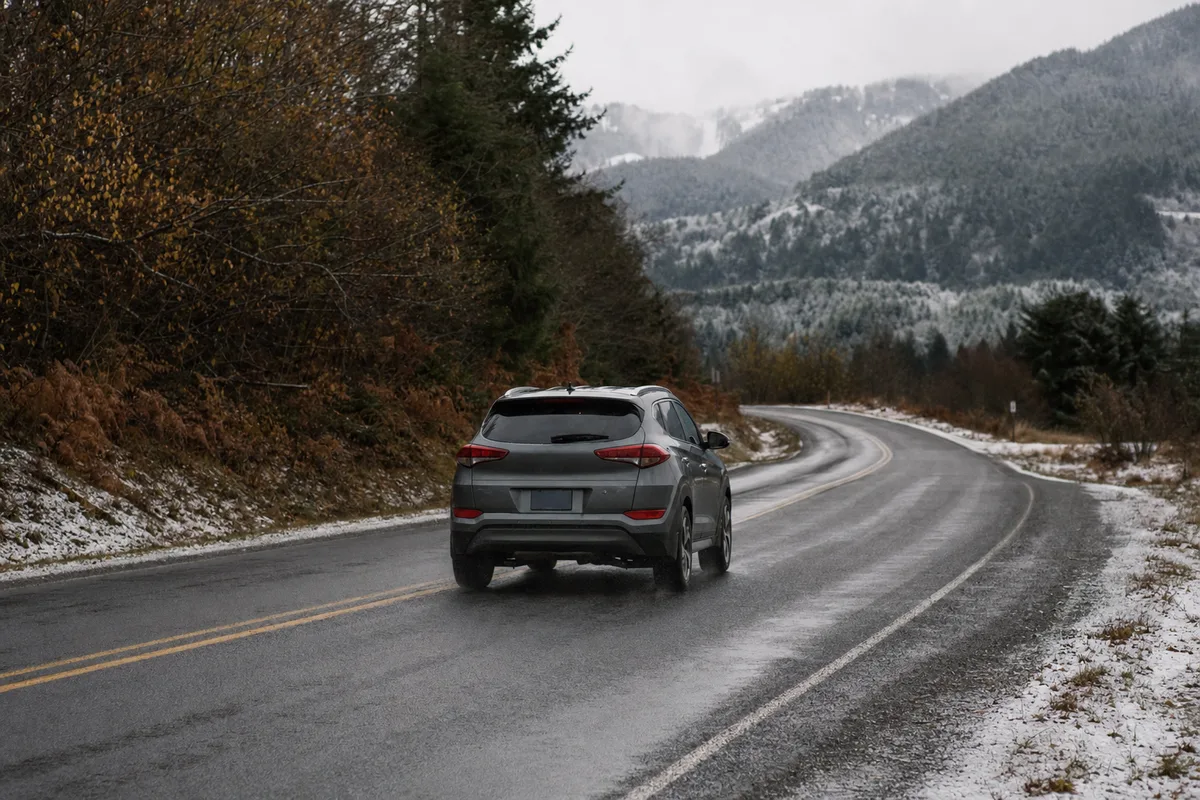
All-Weather Tires
All-season tires with the 3PMSF snow rating, for one set year-round in snow states.
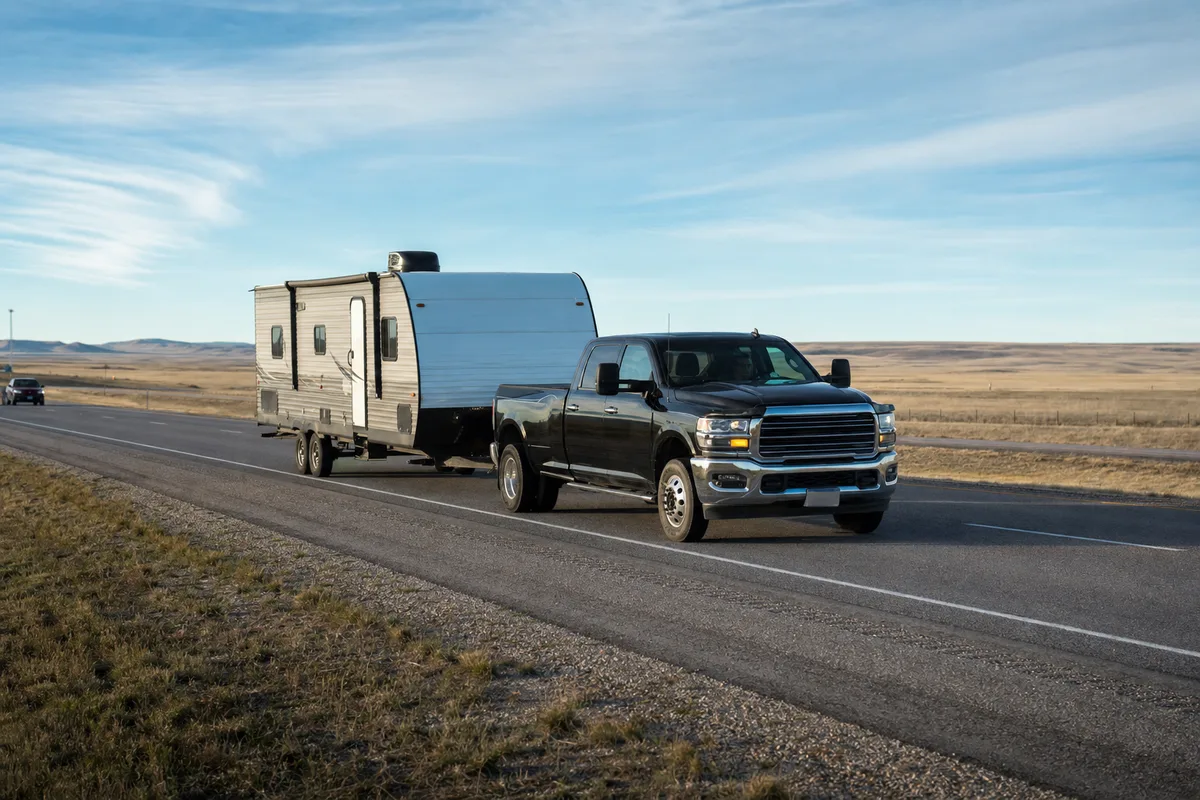
Highway Truck & SUV Tires
Long-wearing, quiet tires for pickups and SUVs that stay on pavement.
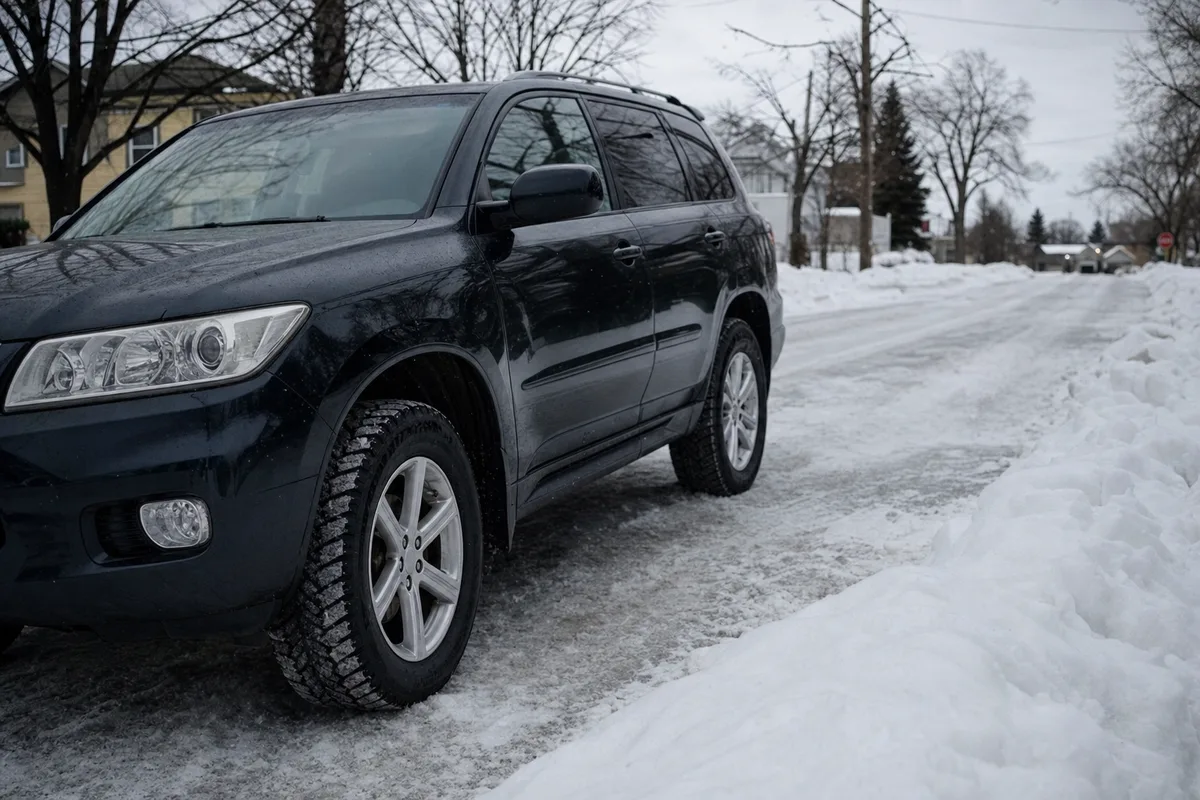
Winter Tires
Dedicated snow and ice tires with soft compounds and dense siping for cold months only.
UTQG: the numbers on the sidewall and their limits
Every passenger tire carries a UTQG grade such as 500 A A: treadwear, traction and temperature. It was designed so buyers could compare tires without a test track, and it partly works.
- Treadwear (500): relative to a control tire at 100, measured over 7,200 miles on a Texas course. A 500 should last roughly 2.5 times as long as a 200. But each manufacturer runs its own test and grades conservatively or optimistically as it pleases, so a Michelin 500 and a budget-brand 500 are not the same promise. Compare within a brand, not across.
- Traction (AA, A, B, C): straight-line wet braking on asphalt and concrete. Almost everything sold today is A or AA, so it rarely separates tires. It says nothing about cornering or dry grip.
- Temperature (A, B, C): resistance to heat buildup at speed. A is the norm; C is the legal minimum.
Treadwear grades of 600 or higher generally mean a hard, long-life compound with less grip; grades under 300 mean a sticky, short-lived tire. A budget tire with a 700 treadwear grade and a bargain price is telling you it is made of a hard compound; expect it to be loud and weak in the wet. The UTQG guide goes deeper.
Chinese brands: what has changed and what has not
Most budget tires sold in the US are made in China, Thailand, Vietnam or Indonesia, and China's largest makers (Sailun, Linglong, Zhongce/Westlake, Giti, Triangle) now run modern plants with the same equipment as Western brands. Some of them make private-label tires for US retailers and OE tires for Chinese-market Volkswagens and GMs. The blanket claim that Chinese tires are dangerous is out of date.
What is still true:
- The design and compound work that separates a good wet tire from a mediocre one is expensive, and budget lines still skimp on it. A Westlake or Milestar tire tests like a tire that costs what it costs.
- Quality varies more between models than between countries. Sailun's Inspire and Atrezzo lines have tested respectably; the cheapest no-name lines often have not.
- Anti-dumping tariffs since 2015 have raised the price of Chinese-made passenger tires in the US, narrowing the gap with mid-range brands and moving budget production to Southeast Asia.
Practical advice: if the budget is tight, pick a mid-range brand on rebate before an unknown budget brand. If you go budget, choose a model with published third-party test results rather than the cheapest listing.
Frequently asked questions
Are cheap tires dangerous?
Not in the sense of failing on the road; they meet the same federal standards as premium tires. They are less safe in the wet, where the cheapest models can need 20 to 40 more feet to stop from 60 mph, and they are usually worse in snow. In a dry climate on a low-mileage car the difference rarely shows.
Which cheap tire brands are good?
The strongest value is usually in the mid-range brands owned by premium makers: General (Continental), Cooper (Goodyear), Firestone (Bridgestone), Falken (Sumitomo) and Kumho, Hankook and Nexen from Korea. Among true budget brands, models with third-party test results, such as some Sailun and Westlake lines, are safer bets than unknown names.
Is a higher treadwear number better?
Higher means longer life, but only within the same manufacturer, since each brand runs its own test. A very high number, above 600, usually signals a hard compound that trades grip for mileage. For most drivers, 400 to 600 with an A traction grade is the practical range.
Why are Michelin tires so expensive?
Research, materials and consistency. Premium tires use more expensive silica compounds and more precise construction, which is what buys the shorter wet stops, lower noise and 70,000 mile tread life. Their real-world cost per mile is often equal to or lower than a budget tire, especially with a rebate.
Updated September 2026.