

Mercedes-Benz tire sizes
17 Mercedes-Benz models, with the original tire size for each year range and what that size costs today, from $45 per tire.
We cover 17 Mercedes-Benz models across 26 factory fitments, spanning model years 1972 to 2024. The size that turns up most often on a Mercedes-Benz is 195/70R14, followed by 205/70R14 and 205/55R15. Wheel diameters run from 14 to 22 inches, so the trim and wheel package matter as much as the model year.
Mercedes-Benz approves specific tires. MO is the Mercedes approval, MOE is the run-flat version and MO1 is reserved for AMG models. Mercedes tunes the tire to the car's suspension and electronic aids, so an MO tire on a Mercedes usually rides closer to how the car left the factory. MOE tires have a reinforced sidewall and only belong on a car built for them.
Pick your model below to see the size for every year and trim, what it costs from budget to premium, and which tires are worth buying in that size. If you already know your size, search by size instead, and if you are not sure where to find it, our guide on reading a tire size shows exactly where the placard sits.
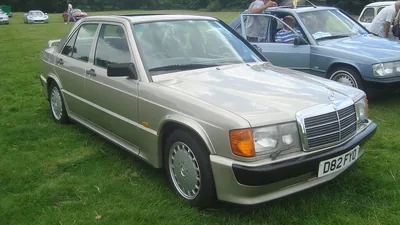 190E 2.3-16
1984-1988 · 1 size
205/55R15 from $75
190E 2.3-16
1984-1988 · 1 size
205/55R15 from $75
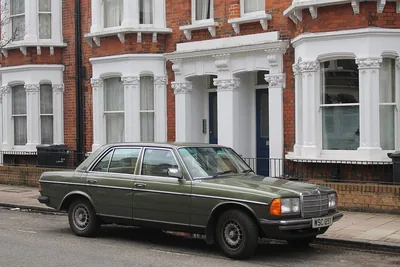 240D
1977-1983 · 1 size
195/70R14 from $45
240D
1977-1983 · 1 size
195/70R14 from $45
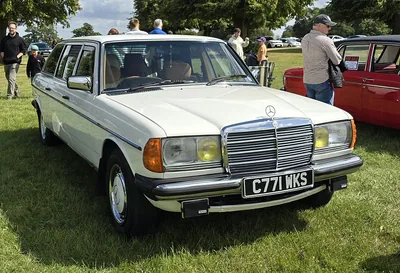 300D
1977-1985 · 1 size
195/70R14 from $45
300D
1977-1985 · 1 size
195/70R14 from $45
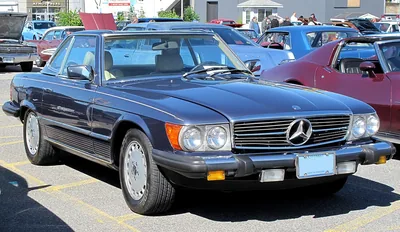 380SL
1981-1985 · 1 size
205/70R14 from $90
380SL
1981-1985 · 1 size
205/70R14 from $90
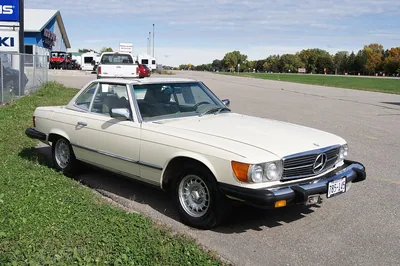 450SL
1972-1980 · 1 size
205/70R14 from $90
450SL
1972-1980 · 1 size
205/70R14 from $90
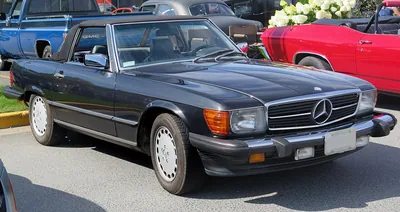 560SL
1986-1989 · 1 size
205/65R15 from $50
560SL
1986-1989 · 1 size
205/65R15 from $50
 C-Class
2008-2021 · 2 sizes
245/40R18 from $95
C-Class
2008-2021 · 2 sizes
245/40R18 from $95
 CLS
2019-2023 · 1 size
255/35R20 from $125
CLS
2019-2023 · 1 size
255/35R20 from $125
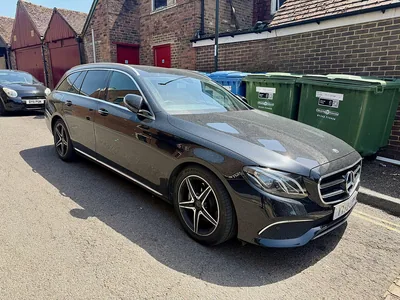 E-Class
2010-2023 · 4 sizes
245/45R18 from $95
E-Class
2010-2023 · 4 sizes
245/45R18 from $95
 GLA
2015-2020 · 1 size
225/55R18 from $95
GLA
2015-2020 · 1 size
225/55R18 from $95
 GLC
2016-2024 · 2 sizes
235/55R19 from $100
GLC
2016-2024 · 2 sizes
235/55R19 from $100
 GLE
2016-2024 · 2 sizes
275/45R20 from $128
GLE
2016-2024 · 2 sizes
275/45R20 from $128
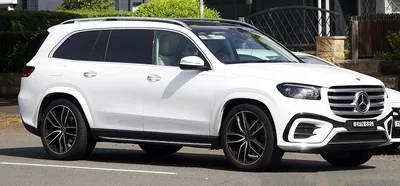 GLS
2020-2024 · 1 size
285/40R22 from $245
GLS
2020-2024 · 1 size
285/40R22 from $245
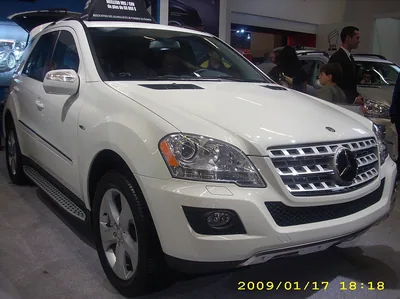 ML-Class
2006-2011 · 1 size
255/55R18 from $115
ML-Class
2006-2011 · 1 size
255/55R18 from $115
 S-Class
2014-2024 · 4 sizes
285/40R19 from $185
S-Class
2014-2024 · 4 sizes
285/40R19 from $185
 Sprinter 2500
2019-2024 · 1 size
LT245/75R16 from $145
Sprinter 2500
2019-2024 · 1 size
LT245/75R16 from $145
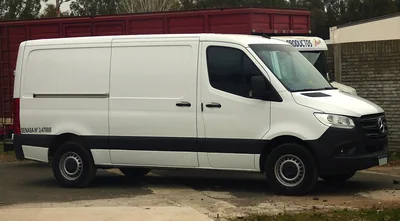 Sprinter 3500 DRW
2019-2024 · 1 size
LT215/85R16 from $145
Sprinter 3500 DRW
2019-2024 · 1 size
LT215/85R16 from $145
Mercedes-Benz sells around 320,000 passenger vehicles a year in the United States, most of them GLC and GLE crossovers rather than the sedans that built the name. The range runs from the CLA up to the S-Class and the electric EQ models, with Sprinter vans sold alongside as commercial vehicles. Its reputation rests on ride quality, safety engineering and interior materials.
For tires, Mercedes is one of the strictest makes on approvals and one of the biggest users of run-flats.
Tires on a Mercedes-Benz
Mercedes marks approved tires MO, with MOE for the run-flat version and MO1 reserved for AMG models. The approval matters because Mercedes tunes the tire to the car's suspension and electronic aids, so an MO tire usually rides closer to how the car left the factory than the same pattern without the marking. MOE tires have a reinforced sidewall and belong only on a car built for them; fitting a conventional tire to a car that came with MOE run-flats is legal and often improves the ride, but it leaves you with no get-home option because Mercedes usually deletes the spare on those cars.
Fitments are frequently staggered from the E-Class upward: an AMG Line E-Class runs 245/40R19 front and 275/35R19 rear, and an S-Class 245/45R19 front with 275/40R19 or 285/40R19 rear. The GLC and GLE are square, a GLC on 235/60R18 or 235/55R19 and a GLE on 255/50R19 or 275/45R20. Sizes have climbed a long way, from 195/70R14 on a 1980s W123 to 235/55R19 on a current GLC.
Sprinter vans move to LT sizes such as LT245/75R16 with pressures near 65 psi, which is a different world again.
The models that matter
The GLC and GLE are the volume models, on 235/60R18 and 235/55R19 for the GLC and 255/50R19 or 275/45R20 for the GLE. The E-Class runs 245/45R18 or staggered 245/40R19 and 275/35R19. The C-Class takes 225/45R17 on older cars and 245/40R18 rear in AMG Line trim.
The GLS uses 285/40R22, and the Sprinter 2500 LT245/75R16.
What owners find out later
MOE run-flats cost substantially more than conventional tires and ride harder, and many owners switch to standard tires at the first replacement without realizing the car has no spare, no jack and no room for either. Mercedes' TPMS on many models is indirect, reading wheel speed rather than pressure, so it is reset through the car's menus and will not warn you if all four tires drop together in cold weather. On the classics, W123 and R107 models use 14 and 15 inch sizes that are still made but in a shrinking number of patterns.
Finally, MO and MO1 are not interchangeable, and the AMG version of a car needs the AMG approval.
Did you know?
- MOE marks the run-flat version of a Mercedes approval, and cars that came with MOE tires usually have no spare wheel at all.
- MO1 is a separate approval reserved for AMG models, not simply a newer version of MO.
- Several Mercedes models use indirect TPMS with no pressure sensors in the wheels, so the system is reset in the car's menus.