
Mercury tire sizes
2 Mercury models, with the original tire size for each year range and what that size costs today, from $95 per tire.
We cover 2 Mercury models across 2 factory fitments, spanning model years 1985 to 2005. The size that turns up most often on a Mercury is 225/60R15, followed by 235/70R16. Wheel diameters run from 15 to 16 inches, so the trim and wheel package matter as much as the model year.
Mercury does not stamp an approval code on tires the way Porsche and BMW do, so any tire in the right size that meets the load index and speed rating on the door placard is a legitimate replacement. Pick on wet braking, tread life and price instead.
Pick your model below to see the size for every year and trim, what it costs from budget to premium, and which tires are worth buying in that size. If you already know your size, search by size instead, and if you are not sure where to find it, our guide on reading a tire size shows exactly where the placard sits.
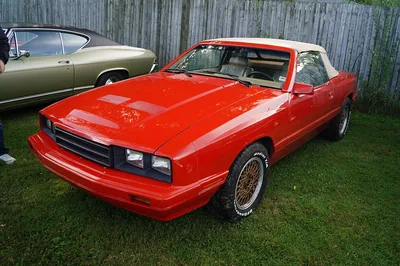

Mercury was Ford's mid-range brand, created in 1938 to sit between Ford and Lincoln, and it spent most of its life selling rebadged Fords with different trim: the Cougar against the Mustang, the Sable against the Taurus, the Mountaineer against the Explorer. Ford announced the brand's end in 2010 and built the last Mercury in early 2011. For tires that means Mercury is a dead make whose parts and fitments are almost entirely shared with Ford, which is good news for anyone still running one.
The classic interest centers on the Cougar, the Capri and the big 1960s Marauders.
Tires on a Mercury
Mercury never had an approval code and never needed one, because almost every Mercury shares its tire size with a Ford of the same year: the Mountaineer we list on 235/70R16 is an Explorer fitment, and the 1985 to 1986 Capri 5.0 on 225/60R15 is a Mustang fitment. That is the single most useful fact for a Mercury owner, because retailers that no longer list the make will list the Ford equivalent, and the sizes are identical. Everything is square, so four identical tires and normal rotation.
Cars from the 1960s and early 1970s left the factory on bias-ply tires in lettered sizes, and the modern radial conversions land in the same 205/75R14, 215/70R14 and 235/75R15 range as their Ford equivalents; conversion is by overall diameter rather than by matching numbers, so an F70-14 becomes a 215/70R14. Coker Tire and Diamond Back cover both the period bias-ply and the radial-with-period-looks options. The trap on the 1980s cars is wheel width, because a 15 by 7 inch Capri rim will not properly support the wide modern tires people are tempted to fit.
The models that matter
The two Mercurys in our size data are the 1985 to 1986 Capri 5.0 on 225/60R15, which shares the Mustang GT fitment of the same year, and the 2002 to 2005 Mountaineer on 235/70R16, which shares the Explorer's. Grand Marquis sedans of the 1990s and 2000s use the Crown Victoria's 225/60R16. Cougars from the late 1960s convert into the same 215/70R14 range as a Mustang of the same year.
What owners find out later
Because retailers rarely list Mercury any more, the fastest way to buy tires for one is to look up the Ford twin for the same model year, which will give the correct size in almost every case. Mercury wheels interchange with Ford wheels of the same era and bolt pattern, so a set of Mustang GT wheels fits a Capri and vice versa. Cars built before the mid-1990s have no TPMS at all, so pressure checks are manual.
Did you know?
- Ford built the last Mercury in early 2011, ending a brand that had existed since 1938.
- The Mercury Capri 5.0 and the Ford Mustang GT of the same year use the same tire size and the same wheels.
- The Mountaineer is an Explorer underneath, so its tire fitments are identical year for year.