

Porsche tire sizes
14 Porsche models, with the original tire size for each year range and what that size costs today, from $50 per tire.
We cover 14 Porsche models across 34 factory fitments, spanning model years 1955 to 2024. The size that turns up most often on a Porsche is 225/50R16, followed by 305/30R21 and 235/40R18. Wheel diameters run from 15 to 21 inches, so the trim and wheel package matter as much as the model year.
Porsche approves specific tires. Porsche-approved tires are marked N0, N1, N2 and so on. The number is the generation of the approval, not a quality grade. Porsche tests each tire against the specific car and raises the number every time the spec is revised. Mixing an N0 on one axle and an N2 on the other is not recommended, and on 911 models the front and rear tires are usually different sizes.
Pick your model below to see the size for every year and trim, what it costs from budget to premium, and which tires are worth buying in that size. If you already know your size, search by size instead, and if you are not sure where to find it, our guide on reading a tire size shows exactly where the placard sits.
 356
1955-1965 · 1 size
155R15 from $95
356
1955-1965 · 1 size
155R15 from $95
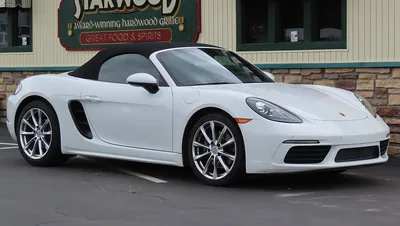 718 Boxster/Cayman
2017-2024 · 1 size
265/40R19 from $150
718 Boxster/Cayman
2017-2024 · 1 size
265/40R19 from $150
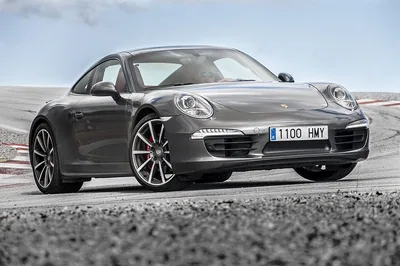 911
1965-2024 · 7 sizes
245/35R20 from $180
911
1965-2024 · 7 sizes
245/35R20 from $180
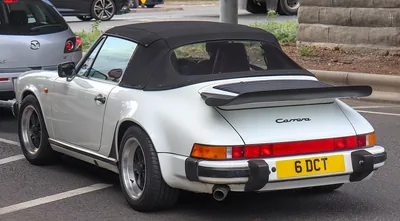 911 Carrera 3.2
1984-1989 · 5 sizes
195/65R15 from $50
911 Carrera 3.2
1984-1989 · 5 sizes
195/65R15 from $50
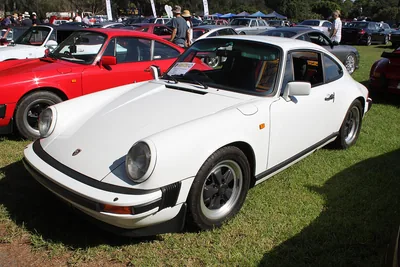 911 SC
1978-1983 · 2 sizes
215/60R15 from $50
911 SC
1978-1983 · 2 sizes
215/60R15 from $50
 914
1970-1976 · 1 size
165R15 from $100
914
1970-1976 · 1 size
165R15 from $100
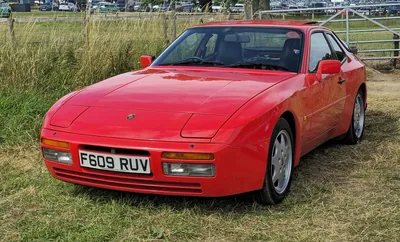 944
1983-1989 · 1 size
195/65R15 from $50
944
1983-1989 · 1 size
195/65R15 from $50
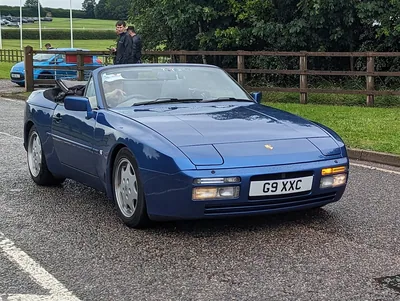 944 S2
1989-1991 · 1 size
225/50R16 from $105
944 S2
1989-1991 · 1 size
225/50R16 from $105
 944 Turbo
1986-1991 · 2 sizes
205/55R16 from $55
944 Turbo
1986-1991 · 2 sizes
205/55R16 from $55
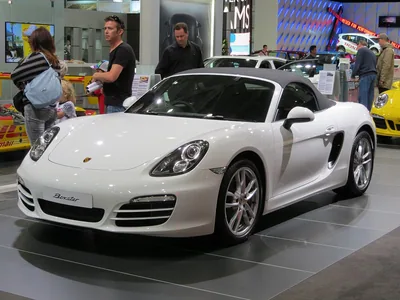 Boxster/Cayman
2005-2012 · 2 sizes
235/40R18 from $95
Boxster/Cayman
2005-2012 · 2 sizes
235/40R18 from $95
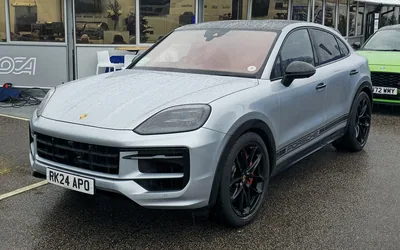 Cayenne
2003-2024 · 5 sizes
285/45R21 from $135
Cayenne
2003-2024 · 5 sizes
285/45R21 from $135
 Macan
2015-2024 · 2 sizes
235/55R19 from $100
Macan
2015-2024 · 2 sizes
235/55R19 from $100
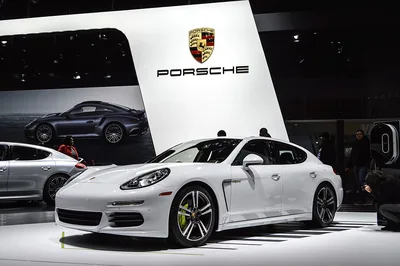 Panamera
2010-2016 · 2 sizes
255/45R19 from $115
Panamera
2010-2016 · 2 sizes
255/45R19 from $115
 Taycan
2020-2024 · 2 sizes
265/35R21 from $135
Taycan
2020-2024 · 2 sizes
265/35R21 from $135
Porsche sells around 75,000 vehicles a year in the United States, and the Macan and Cayenne SUVs account for most of that rather than the 911 that defines the brand. The range also includes the 718 Boxster and Cayman, the Panamera and the electric Taycan. Porsche has been imported to the US since 1950 and has one of the largest classic parcs of any European make here, from 356s to air-cooled 911s.
For tires it is one of the strictest makes on this site: almost every model has its own homologation.
Tires on a Porsche
Porsche marks approved tires N0, N1, N2 and so on, where the number is the generation of the approval for that size rather than a quality grade, and Porsche raises it every time the specification is revised. Mixing an N0 on one axle and an N2 on the other is not recommended, and fitting an unmarked tire means the car is running a construction Porsche never signed off on, which on a rear-engined car with this much rear weight bias changes behavior at the limit more than the size suggests. Almost every Porsche is staggered, and the 911 is the clearest case: a 992 Carrera S runs 245/35R20 front and 305/30R21 rear, with a larger rear wheel as well as a wider tire, while a 997 ran 235/40R18 and 265/40R18.
The Taycan runs 265/35R21 front and 305/30R21 rear and weighs well over 5,000 pounds, which wears rear tires fast. Wheel sizes have grown dramatically: a 1965 911 ran 165HR15 and a current one runs 21 inch rears. On the air-cooled classics, the original 15 and 16 inch sizes are still made, and Porsche even maintains N-marked classic fitments for some of them.
The models that matter
The Macan and Cayenne are the volume models, the Macan on 235/55R19 front and 255/50R19 rear, the Cayenne on 255/55R18, 275/45R20, 285/45R20 or 285/45R21. The 911 spans 235/40R18 and 265/40R18 on the 997 up to 245/35R20 front with 305/30R21 rear on the 992. The Taycan uses 265/35R21 and 305/30R21, and the 718 a 265/40R19 rear.
The classics run 185/70R15 and 215/60R15 on a 911 SC and 195/65R15 on a 944.
What owners find out later
On many 911 models the front and rear wheels differ in diameter as well as width, so there is no rotation, no single spare that fits both ends, and no possibility of moving a rear tire forward to use up its tread. Porsche's N-number matters within a size: an N0 and an N2 of the same tire model are different constructions, and using both on one car is explicitly not advised. Most modern Porsches carry no spare, only a collapsible one on some models.
Did you know?
- Porsche's N number is the generation of the approval for that size, not a quality rating, and mixing generations across axles is not advised.
- On most 911 models the rear wheels are larger in diameter than the fronts, so nothing interchanges.
- Porsche maintains approved tire fitments for its air-cooled classics, so even a 911 SC can be shod with an N-marked tire.