

Honda tire sizes
13 Honda models, with the original tire size for each year range and what that size costs today, from $45 per tire.
We cover 13 Honda models across 61 factory fitments, spanning model years 1988 to 2024. The size that turns up most often on a Honda is 215/50R17, followed by 235/40R18 and 235/60R18. Wheel diameters run from 14 to 20 inches, so the trim and wheel package matter as much as the model year.
Honda does not stamp an approval code on tires the way Porsche and BMW do, so any tire in the right size that meets the load index and speed rating on the door placard is a legitimate replacement. Pick on wet braking, tread life and price instead.
Pick your model below to see the size for every year and trim, what it costs from budget to premium, and which tires are worth buying in that size. If you already know your size, search by size instead, and if you are not sure where to find it, our guide on reading a tire size shows exactly where the placard sits.
 Accord
1994-2024 · 10 sizes
225/50R17 from $70
Accord
1994-2024 · 10 sizes
225/50R17 from $70
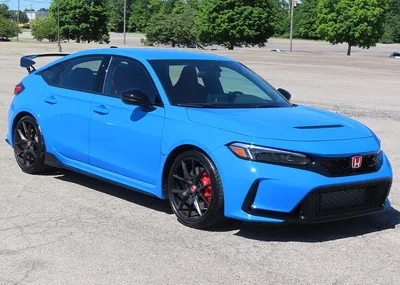 Civic
1996-2024 · 8 sizes
235/40R18 from $95
Civic
1996-2024 · 8 sizes
235/40R18 from $95
 Civic Si
2002-2023 · 3 sizes
235/40R18 from $95
Civic Si
2002-2023 · 3 sizes
235/40R18 from $95
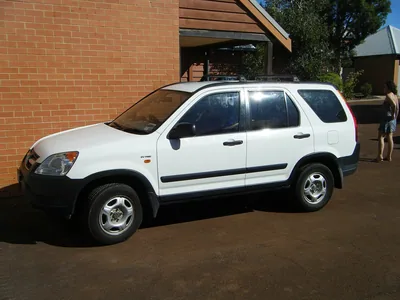 CR-V
1997-2024 · 7 sizes
235/65R17 from $75
CR-V
1997-2024 · 7 sizes
235/65R17 from $75
 Element
2003-2011 · 1 size
215/70R16 from $62
Element
2003-2011 · 1 size
215/70R16 from $62
 Fit
2007-2020 · 5 sizes
185/55R16 from $55
Fit
2007-2020 · 5 sizes
185/55R16 from $55
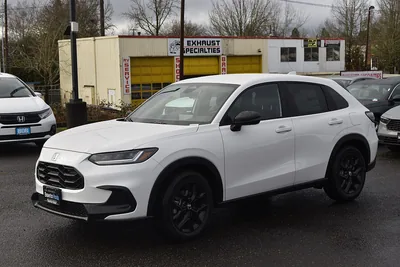 HR-V
2016-2024 · 2 sizes
215/55R18 from $95
HR-V
2016-2024 · 2 sizes
215/55R18 from $95
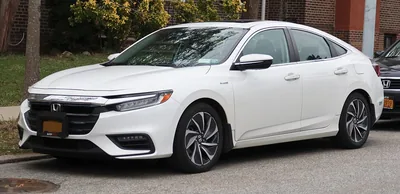 Insight
2019-2022 · 1 size
215/50R17 from $70
Insight
2019-2022 · 1 size
215/50R17 from $70
 Odyssey
1999-2024 · 5 sizes
235/60R18 from $95
Odyssey
1999-2024 · 5 sizes
235/60R18 from $95
 Passport
2019-2024 · 3 sizes
245/70R17 from $105
Passport
2019-2024 · 3 sizes
245/70R17 from $105
 Pilot
2003-2024 · 6 sizes
255/60R18 from $115
Pilot
2003-2024 · 6 sizes
255/60R18 from $115
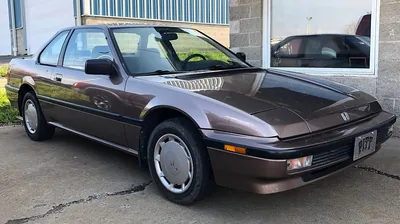 Prelude
1988-1991 · 1 size
195/60R14 from $75
Prelude
1988-1991 · 1 size
195/60R14 from $75
 Ridgeline
2006-2024 · 2 sizes
245/60R18 from $115
Ridgeline
2006-2024 · 2 sizes
245/60R18 from $115
Honda sells over a million vehicles a year in the United States and has built cars here since 1982. The CR-V and the Civic are the volume models, with the Accord, Pilot, Odyssey and Ridgeline filling out a lineup that is unusually car-heavy for a modern US brand. Honda's reputation rests on longevity and resale value, and the tire sizes are correspondingly conservative.
It also owns Acura, which sells the same engineering on wider tires.
Tires on a Honda
Honda stamps no approval code on its tires, so there is nothing to look for on the sidewall beyond the placard size, load index and speed rating; visitors ask about this constantly and the answer is simply that Honda is not one of the brands that homologates. Fitments are square on every model, so four identical tires and normal rotation, which keeps Honda among the cheapest makes to keep in tires. Sizes have crept up steadily but not dramatically: a Civic went from 185/70R14 in 2001 to 195/65R15, then 205/55R16, and now 235/40R18 on Sport and Touring trims, while a CR-V moved from 205/70R15 in 1997 to 235/65R17 and 235/60R18 today.
The Accord spans the widest range of any single Honda model, from 205/60R15 on a 1998 EX to 235/40R19 on a current Sport. Original tires are almost always a fuel-economy-oriented all-season, often a Michelin, Continental or Firestone, and they are the part of the car owners most often replace early because the OE compound is chosen for rolling resistance rather than grip or tread life. Most owners replace them with a grand touring all-season, and the improvement in wet braking is usually more noticeable than anything else about the change.
The models that matter
The CR-V is the volume model, on 235/65R17 on LX trims and 235/60R18 on EX and above, with 235/55R19 on Touring. The Civic runs 215/50R17 on the EX and 235/40R18 on Sport and Touring. The Accord takes 225/50R17 on LX and EX and 235/40R19 on Sport and Touring.
The Pilot uses 245/60R18 and 255/50R20, and the Odyssey 235/60R18 and 235/55R19.
What owners find out later
Many Hondas since 2013 use indirect TPMS with no pressure sensors in the wheels at all: the system compares wheel speeds, and after any tire change or pressure adjustment it has to be calibrated from the dashboard menu, which is a driver job rather than a shop job. That also means the system will not warn you if all four tires lose pressure evenly over a cold winter. The 235/40R19 fitment on Accord and Civic Touring trims has a short sidewall on a car with a comfortable suspension tune, and bent rims from potholes are a recognized complaint.
Most Hondas carry only a temporary spare, and several newer trims carry none at all.
Did you know?
- Many Hondas use indirect TPMS with no sensors in the wheels, so the system is calibrated from the dashboard after a tire change.
- A Civic has gone from a 14 inch wheel in 2001 to an 18 inch one on current Sport trims, a four-inch increase in two decades.
- Honda stamps no manufacturer approval code on its tires, so any tire meeting the placard specification is a correct replacement.