

Hyundai tire sizes
15 Hyundai models, with the original tire size for each year range and what that size costs today, from $45 per tire.
We cover 15 Hyundai models across 34 factory fitments, spanning model years 2000 to 2024. The size that turns up most often on a Hyundai is 175/70R14, followed by 225/40R18 and 235/55R19. Wheel diameters run from 14 to 20 inches, so the trim and wheel package matter as much as the model year.
Hyundai does not stamp an approval code on tires the way Porsche and BMW do, so any tire in the right size that meets the load index and speed rating on the door placard is a legitimate replacement. Pick on wet braking, tread life and price instead.
Pick your model below to see the size for every year and trim, what it costs from budget to premium, and which tires are worth buying in that size. If you already know your size, search by size instead, and if you are not sure where to find it, our guide on reading a tire size shows exactly where the placard sits.
 Accent
2000-2022 · 5 sizes
175/70R14 from $45
Accent
2000-2022 · 5 sizes
175/70R14 from $45
 Azera
2012-2017 · 1 size
245/45R18 from $95
Azera
2012-2017 · 1 size
245/45R18 from $95
 Elantra
2001-2024 · 4 sizes
225/45R17 from $82
Elantra
2001-2024 · 4 sizes
225/45R17 from $82
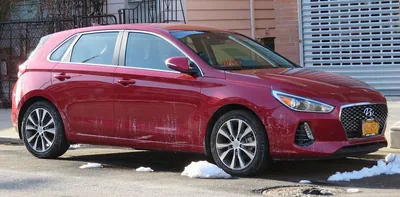 Elantra GT
2013-2017 · 1 size
205/50R17 from $70
Elantra GT
2013-2017 · 1 size
205/50R17 from $70
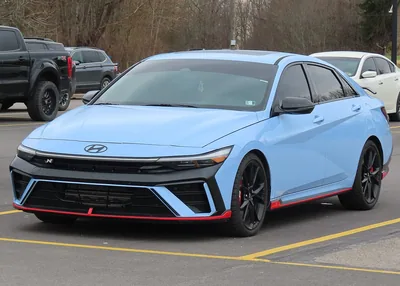 Elantra N
2022-2024 · 1 size
245/35R19 from $110
Elantra N
2022-2024 · 1 size
245/35R19 from $110
 Elantra Sport
2017-2018 · 1 size
225/40R18 from $95
Elantra Sport
2017-2018 · 1 size
225/40R18 from $95
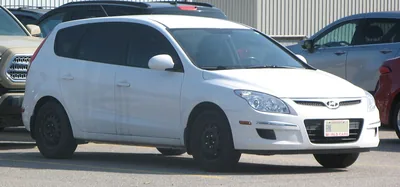 Elantra Touring
2009-2012 · 1 size
215/45R17 from $70
Elantra Touring
2009-2012 · 1 size
215/45R17 from $70
 Ioniq 5
2022-2024 · 2 sizes
235/55R19 from $100
Ioniq 5
2022-2024 · 2 sizes
235/55R19 from $100
 Ioniq 6
2023-2024 · 1 size
245/40R20 from $125
Ioniq 6
2023-2024 · 1 size
245/40R20 from $125
 Palisade
2020-2024 · 2 sizes
245/60R18 from $115
Palisade
2020-2024 · 2 sizes
245/60R18 from $115
 Santa Fe
2001-2023 · 3 sizes
235/55R19 from $100
Santa Fe
2001-2023 · 3 sizes
235/55R19 from $100
 Santa Fe Sport
2013-2018 · 2 sizes
235/60R17 from $75
Santa Fe Sport
2013-2018 · 2 sizes
235/60R17 from $75
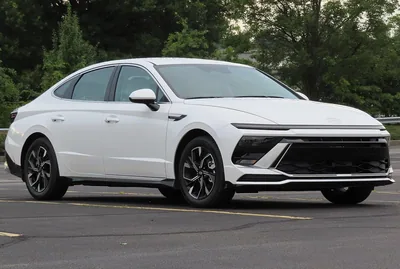 Sonata
2006-2024 · 6 sizes
235/45R18 from $95
Sonata
2006-2024 · 6 sizes
235/45R18 from $95
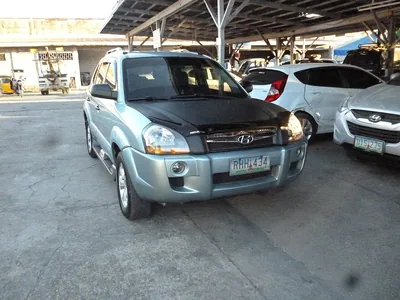 Tucson
2005-2015 · 2 sizes
215/65R17 from $75
Tucson
2005-2015 · 2 sizes
215/65R17 from $75
 Veloster Turbo
2019-2022 · 1 size
225/40R18 from $95
Veloster Turbo
2019-2022 · 1 size
225/40R18 from $95
Hyundai sells over 800,000 vehicles a year in the United States and has grown from a budget importer in 1986 into a full-line brand with its own plants in Alabama and Georgia. The Tucson, Santa Fe and Palisade crossovers carry the volume, with the Elantra and Sonata still selling in numbers most rivals have given up on. The electric Ioniq 5 and Ioniq 6 have made Hyundai one of the larger EV sellers here.
Its reputation rests on warranty and equipment, and its performance N models have added a genuinely aggressive set of fitments to the range.
Tires on a Hyundai
Hyundai stamps no approval code on its tires, so the door placard is the complete specification and there is no letter to match. Fitments are square across the range, which keeps rotation simple and means four identical tires is always the right order. Size spread within a model is the thing to watch: an Accent could be ordered on anything from 175/70R14 to 205/45R17, a Sonata runs 205/65R16 up to 245/40R18, and a Santa Fe spans 235/65R17 to 235/55R19.
The electric models are the heavy ones and the ones that change the tire math: an Ioniq 5 weighs roughly 4,500 pounds on 235/55R19 or 255/45R20, and its OE tires are low-rolling-resistance EV-specific versions, often with acoustic foam bonded inside the tread to cut the road noise that no engine is masking. Foam-lined tires cost more, and some shops will not plug them, which is worth knowing before a nail decides the question for you. The Elantra N on 245/35R19 is the other end of the range, a summer-tire fitment on a 19 inch wheel with very little sidewall.
Most Hyundai owners replace OE all-seasons with a grand touring all-season and gain wet grip and tread life over the economy-focused original.
The models that matter
The Tucson and Santa Fe are the volume crossovers, on 215/65R17 for older Tucsons and 235/65R17 or 235/55R19 for the Santa Fe. The Elantra runs 195/65R15 on older cars and 225/45R17 on the Limited, and the Sonata 235/45R18 on SEL Plus and N Line. The Palisade takes 245/60R18 or 245/50R20.
The Ioniq 5 uses 235/55R19 and 255/45R20, the Ioniq 6 245/40R20.
What owners find out later
The acoustic foam inside many Ioniq original tires makes them quieter but also makes them harder to repair, and a shop that refuses a plug is following the tire maker's guidance rather than upselling. The 20 inch Palisade and Ioniq fitments cost substantially more than the 18 and 19 inch ones for similar mileage, so trim choice is a long-term running cost decision. Several Hyundai crossovers carry only a compact spare under the load floor, and the Ioniq 5 carries none at all.
Did you know?
- Many Ioniq original tires have acoustic foam bonded inside the tread, which cuts cabin noise but complicates puncture repair.
- An Accent could be ordered on anything from a 14 to a 17 inch wheel, a three-size spread on one small car.
- Hyundai stamps no manufacturer approval code, so any tire matching the placard specification is a correct replacement.